
They Knew Something the Outside Experts Didn't
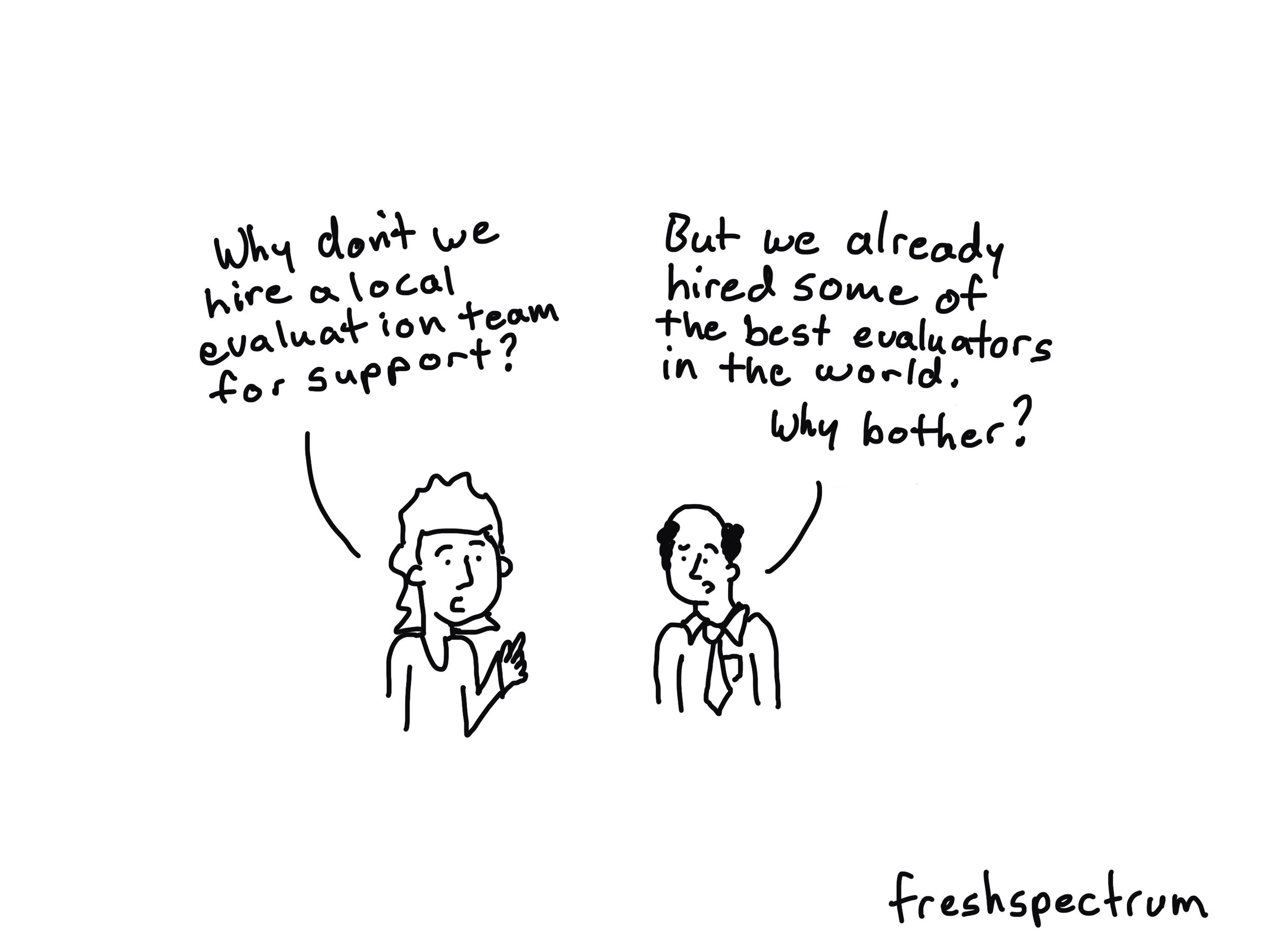
A cotton company in West Africa was investing heavily in local farmers — plowing fields, supplying seeds, fertilizers, and other inputs on credit. At the end of each season, they deducted what farmers owed directly from their cotton sales.
But yields stayed low. Farmers kept falling deeper into debt. And yet, when the company talked about shutting down, the farmers pushed back. They wanted the program to continue.
Nobody could explain it. Agronomists ran studies. Outside evaluators assessed the program. None of them could figure out why yields weren't improving — or why farmers in debt still wanted to stay in.
Then a local NGO tried something different. They hired a small, local research team — people who had worked in that community before, who knew the terrain, and who already had relationships there.
What they learned changed everything.
The farmers were splitting the fertilizer. Half went to their cotton crops. Half went to their cereal crops — maize and millet.
Why? Because cotton doesn't feed your family. Maize and millet do. The farmers knew that if they could feed their families through the rainy season, they'd live to pay their debts. It was a rational decision. But it was invisible to every outside expert who came before, because none of them had earned the trust needed to hear it.
The local team did — because they used storytelling instead of questionnaires, and because the community already knew them.
When the cotton company understood what was happening, they expanded the subsidy to cover inputs for cereal farming too. Cotton yields improved. So did cereal production.
So what?
This story is at the heart of why Hippolyt Pul and Carlisle Levine wrote their open letter to funders. Evaluators who come from — or have deep ties to — the communities they're working in can hear things that outside experts can't. Not because they use better methods, but because trust changes what people are willing to share.
Funders who want to understand whether their investments are actually working need evaluators who can close that gap.
This story comes from an open letter by Hippolyt Pul and Carlisle Levine of the Strengthening Evaluation Contracting Partnerships Initiative. You can read the full letter here.
