
What Funders Can Do Differently: Proposals and Selection
Small local evaluation firms want to work with funders. But before any work can begin, firms have to get through the proposal and selection process. And that process, as it is usually designed, puts small firms at a real disadvantage.
Here is what funders can do differently, drawn directly from the open letter by Hippolyt Pul and Carlisle Levine.
1. Advertise intentionally.
Small firms are often not on funders' short lists. They do not always know where to look for open roles. Funders can fix this by posting more broadly — in places where small and local evaluators are likely to see it. Evaluation groups, LinkedIn, and networks built to help small firms get noticed are all good options. Reaching out directly to local evaluators also helps. One small firm said that kind of outreach gave her comfort that the funder was truly open to working with someone like her.
2. Allow enough time for proposals.
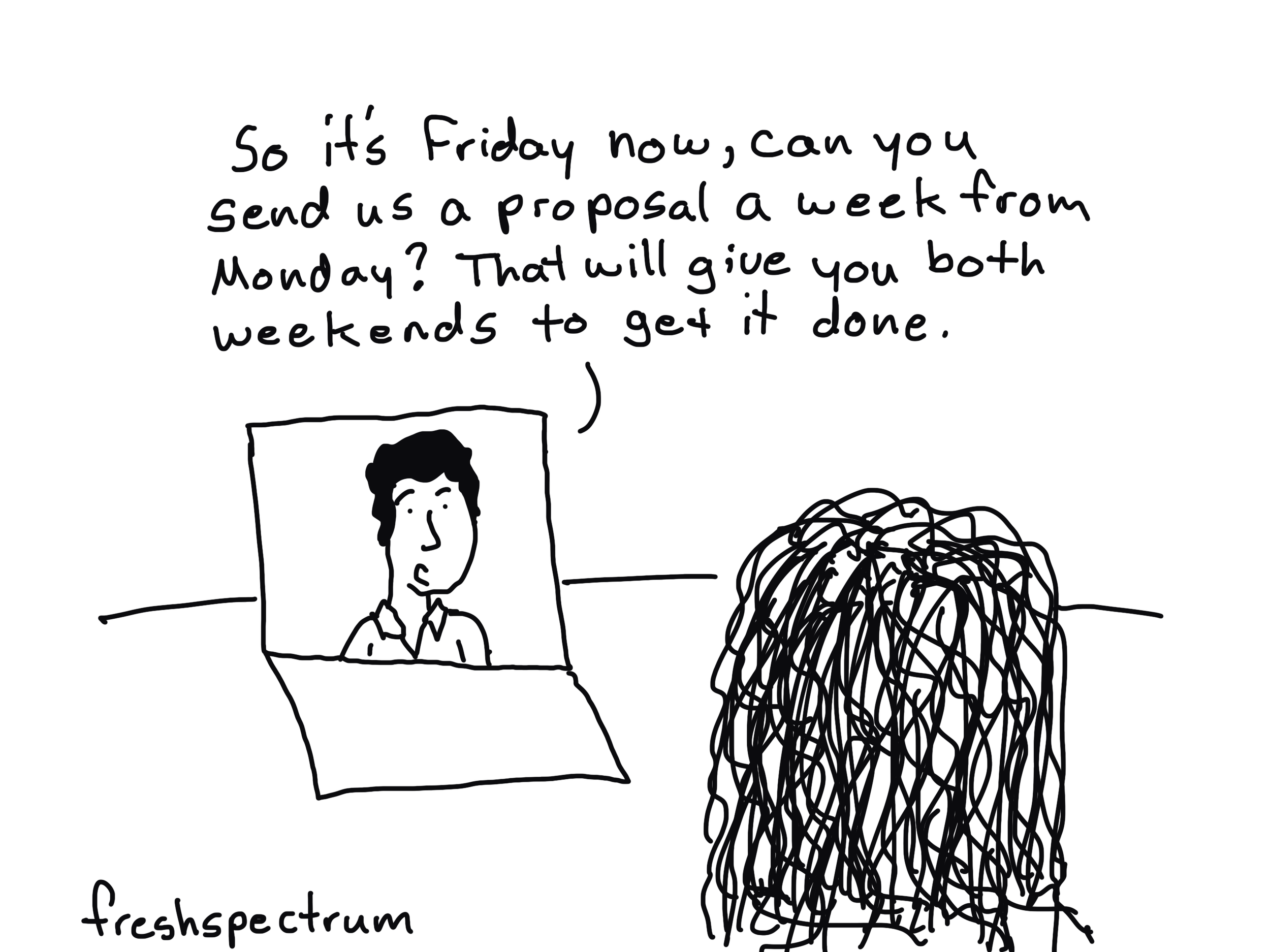
Most small firms do not have a team whose only job is writing bids. The people doing the work are the same people writing the proposals. They also need time to find partners and build out their teams. Funders should allow at least three weeks — and more when possible. One funder described giving six to eight weeks depending on the size of the work, knowing that small firms need more time to do this well.
3. Share a budget cap.
Budget caps tell small firms whether it makes sense to apply. Without one, a firm can spend days on a proposal only to find the budget does not match what is expected. Caps also help firms know what size of team they can afford to put together. And in a field where rates and budgets are rarely shared openly, a cap creates a more level playing field.
4. Reduce the cost of applying.
Putting together a full proposal takes real time and money. Many small firms do not have the cushion to cover those costs. Funders can help by asking for a short letter of interest first, and only asking finalists to write full proposals. Some funders offer small stipends to help cover costs. These steps make the process more fair.
5. Fully fund the evaluation.
Evaluations are often not fully funded — especially when you count everything from writing the proposal through to final reports and learning sessions. Funders should talk with past and current partners to learn what evaluations truly cost. Rates should reflect skills and experience, not where the evaluator lives. Paying less because someone is based in a lower income country reinforces the very problems that local hiring is meant to fix.
6. Be transparent about selection.
Sharing criteria upfront helps small firms decide whether to apply and how to make their case. It respects their time. Funders who offer feedback to firms that are not selected help them grow. One small firm described getting feedback after a failed bid as part of building the relationship. It felt fair, she said, because they were learning from each other.
7. Write criteria that small firms can actually meet.
Criteria signal whether small firms are welcome or not. Asking for proof of managing very large budgets, or having offices in many countries, can rule out strong small firms before they get a chance. Funders can write criteria more broadly, focusing on what they truly need. If a lead firm is expected to bring in small and local evaluators as partners, funders can say so clearly — and ask that those evaluators have real roles, not just token ones.
8. Make sure all applicants start with the same information.
Not every firm starts with the same knowledge about a funder or the work to be done. Sharing background, holding Q&A sessions, or offering one-on-one meetings helps level things out. One evaluator described a meeting with foundation staff before the proposal was even out. It gave her a chance to introduce herself, hear what the funder needed, and feel like the fit could work.
9. Prioritize content over polish.
Large firms have design teams. Small firms do not. A proposal from a small firm may not look as polished, but it may offer better content and a deeper grasp of the context. Funders should focus on what applicants are saying, not how the document looks. One funder solved this by asking all applicants to apply through a Google form. It removed visual design from the equation and made it easier to compare proposals on content alone.
10. Let firms build their own teams.
Big evaluation work sometimes needs a range of skills that one small firm cannot cover alone. Small firms handle this by teaming up with others. But those teams work best when the small firm can choose their own partners — based on fit and trust, not just on who the funder suggests. Funders should describe what skills they need and let firms build from there.
11. Respect intellectual property.
Firms put real thought into their proposals. Their ideas should not be passed on or used without asking first. Funders should get permission before using anything that was submitted, and give credit where it is due.
12. Give firms time and flexibility on financial reports.
Small firms may not have the money to produce audited financial reports on short notice. Funders should give firms enough time and some flexibility on what counts as acceptable. Working together on what is needed, rather than applying one standard to all, makes the process more fair.
13. Support firms' efforts to grow.
Getting a contract does not always mean a firm can grow from it. Small firms often put everything into the project and have little left to invest in their own structure and systems. Funders can help by offering longer agreements that give small firms some financial stability — or by finding ways to support their growth alongside the project work.
These suggestions come directly from the open letter by Hippolyt Pul and Carlisle Levine of the Strengthening Evaluation Contracting Partnerships Initiative. You can read the full letter here.
